Tracing Synchronization Between Mobile Payment Systems and No-Deposit Bonus Activation in Digital Gaming Environments
Olivia Griffin · Sep 6, 2026
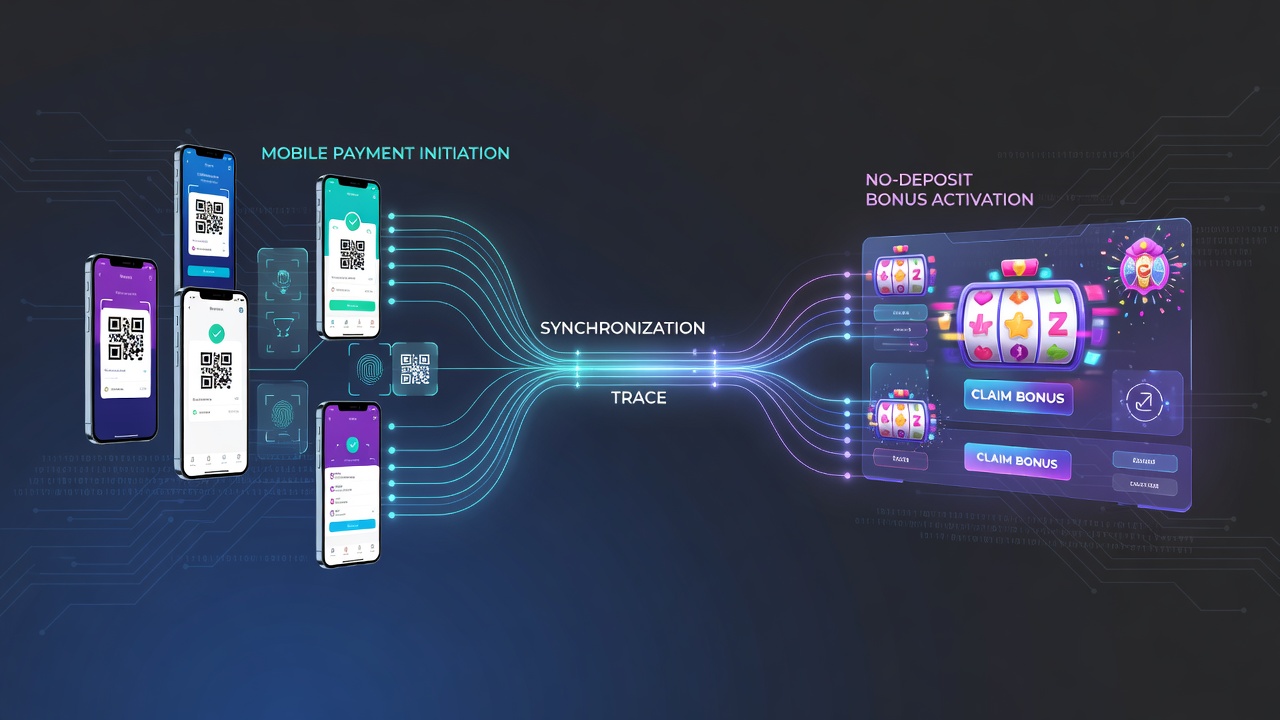
Tracing Synchronization Between Mobile Payment Systems and No-Deposit Bonus Activation in Digital Gaming Environments
Digital gaming platforms rely on precise coordination between mobile payment gateways and bonus activation protocols to deliver no-deposit incentives without requiring initial user funds. This synchronization involves real-time data exchange across multiple layers of authentication, transaction verification, and promotional logic engines, and developers have documented these flows in technical white papers since the mid-2010s.
Core Components of Mobile Payment Integration
Mobile payment systems transmit tokenized credentials through secure APIs that gaming operators embed directly into their client applications, and these tokens carry metadata that bonus engines parse to determine eligibility for no-deposit rewards. Payment processors such as those certified under PCI-DSS standards route requests through encrypted channels, while gaming servers cross-reference the incoming data against player accounts that have already been flagged for promotional campaigns. Observers note that latency below 200 milliseconds is essential because bonus activation must occur within the same session that the payment method is first verified, otherwise the promotional trigger fails and the player receives no reward.
No-Deposit Bonus Logic and Trigger Conditions
No-deposit bonuses activate when a player registers a verified mobile payment method even if no actual funds move, and the gaming platform records this registration event as a qualifying action. Algorithms compare device fingerprints, IP addresses, and payment token histories against predefined rule sets that marketing teams update quarterly. Research indicates that false positives occur when the same payment method appears across multiple accounts, prompting operators to implement additional biometric checks or one-time passcodes sent via SMS before the bonus credits appear in the player ledger.
Real-Time Data Synchronization Mechanisms
Backend services maintain persistent WebSocket connections that push payment status updates to the bonus management module, and these connections allow the system to trace each stage of verification without polling delays. When a mobile payment provider confirms account validity, it returns a standardized response code that maps directly to a bonus activation flag stored in the operator database. Developers have described this mapping process in conference presentations, noting that custom middleware often handles edge cases such as regional currency mismatches or temporary network outages that would otherwise interrupt the chain of events.
Tracing tools record timestamps at each hop, creating an audit trail that compliance teams review during routine inspections. Data shows that September 2026 will introduce updated interoperability requirements from several North American regulatory bodies, requiring operators to expose these timestamp logs in machine-readable formats for external auditors.
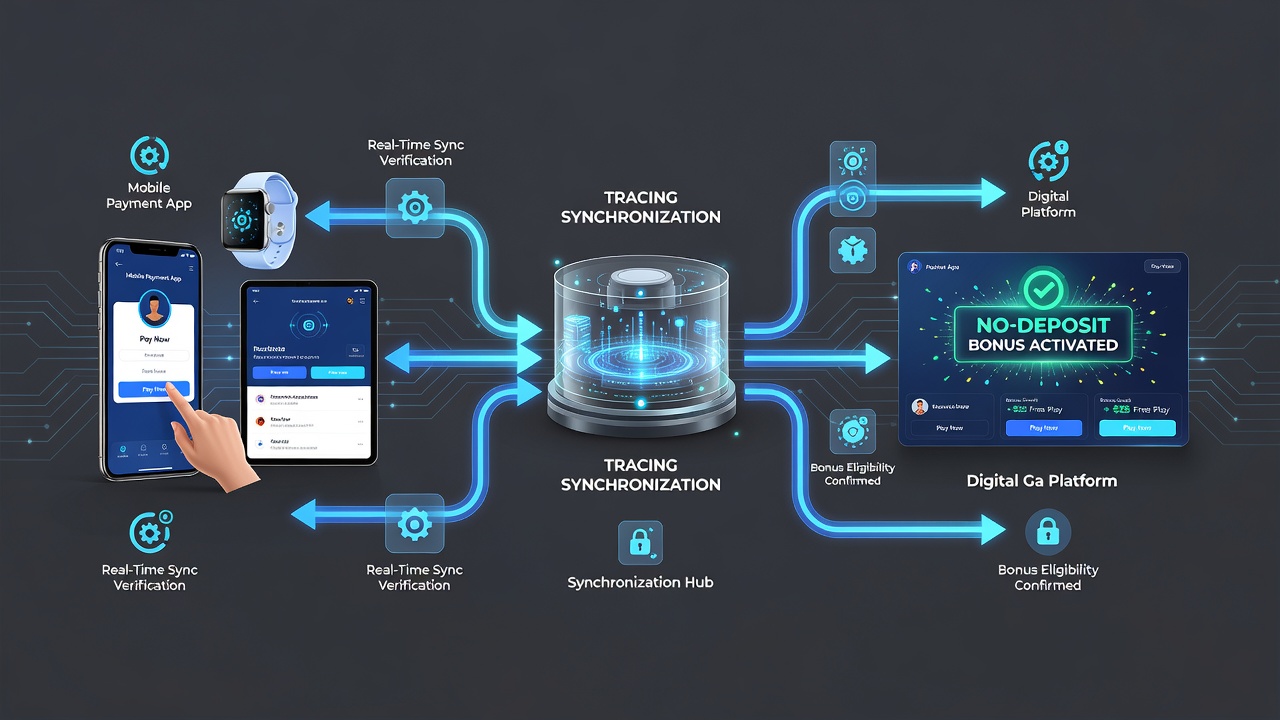
Security Protocols and Traceability Measures
Encryption standards such as TLS 1.3 protect data in transit between the mobile device and the gaming operator, while hash chains link each transaction event to the preceding one so investigators can reconstruct the full sequence if discrepancies arise. Researchers at several European institutions have published studies on how blockchain-based ledgers can supplement traditional logging systems, providing an immutable record of when a payment token first interacted with a bonus trigger. One study revealed that operators adopting these hybrid logging approaches reduced dispute resolution times by approximately 40 percent compared with legacy database-only methods.
Regulatory Reporting Requirements Across Jurisdictions
Authorities in multiple regions mandate that operators submit aggregated statistics on no-deposit bonus activations linked to mobile payments, and these reports must include failure rates and average activation times. The European Gaming and Betting Association has compiled industry benchmarks that operators reference when calibrating their synchronization thresholds. Meanwhile, Canadian provincial regulators require separate disclosure of any bonus that originates from a payment method verification event rather than an actual deposit, creating additional fields in monthly compliance filings.
Implementation Challenges and Solutions
Network variability on mobile carriers introduces unpredictable delays that can break the synchronization window, and operators counter this by deploying regional edge servers that cache verification results locally. Payment providers sometimes alter their API response structures without prior notice, forcing gaming companies to maintain fallback parsing routines that still feed the correct flags into the bonus engine. Those who've studied these integrations report that regular end-to-end testing with simulated payment events catches most drift before it affects live players.
Conclusion
The synchronization between mobile payment systems and no-deposit bonus activation rests on tightly coupled APIs, timestamped audit trails, and cross-referenced eligibility rules that evolve with both technology and regulation. As operators prepare for the September 2026 reporting changes, the emphasis on traceable, machine-readable logs continues to shape how these systems are designed and maintained across the sector.